Why This Stone Bowl Bibimbap Beats Every Seoul Restaurant
May 18, 2026

The Secret Behind Seoul's Best Dolsot Bibimbap
Walking through Seoul's bustling food districts, you'll encounter countless restaurants serving bibimbap. But there's something magical about dolsot bibimbap — the version served in a sizzling hot stone bowl that transforms simple ingredients into an unforgettable culinary experience.
The word "dolsot" literally means "stone pot" in Korean, and this cooking vessel is what elevates regular bibimbap into something extraordinary. The superheated stone creates a crispy rice crust at the bottom while keeping all ingredients perfectly warm throughout your meal.
What Makes Authentic Dolsot Bibimbap Special
Authentic dolsot bibimbap isn't just about throwing ingredients into a hot bowl. Traditional preparation involves heating the stone bowl to over 400°F before adding perfectly seasoned rice, creating that signature sizzling sound when the bowl arrives at your table.
The key elements that define authentic dolsot bibimbap include:
- Eight traditional banchan (side dish vegetables) arranged in colorful sections
- Premium short-grain Korean rice that crisps perfectly
- Perfectly fried egg with runny yolk
- High-quality gochujang (Korean chili paste)
- Sesame oil for that nutty finish
The vegetables typically include seasoned spinach, bellflower root, bean sprouts, mushrooms, carrots, and fernbrake. Each vegetable is prepared separately with its own seasoning blend, creating layers of flavor that complement rather than compete.
Top Neighborhoods for Authentic Dolsot Bibimbap
Jongno District: Traditional Heart of Seoul
Jongno represents Seoul's culinary heritage, making it the perfect hunting ground for authentic dolsot bibimbap. This historic district houses family-run restaurants that have perfected their recipes over decades.
Many establishments here source their vegetables from local markets and prepare their gochujang in-house. Expect to pay around ₩8,000-₩15,000 ($6-$11) for high-quality dolsot bibimbap in this area.
Myeongdong: Tourist-Friendly Excellence
While Myeongdong caters to international visitors, several restaurants maintain authentic standards while offering English menus and tourist-friendly service. The competition here drives quality up, though prices tend to be slightly higher at ₩10,000-₩18,000 ($7-$13).
Look for restaurants with Korean customers — a sure sign of authenticity even in touristy areas.
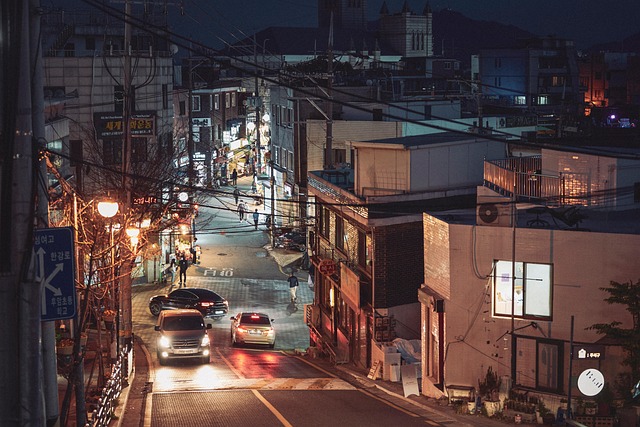
Hongdae: Modern Takes on Traditional Flavors
The youthful Hongdae district offers creative interpretations of dolsot bibimbap while respecting traditional foundations. Some restaurants here experiment with premium ingredients like bulgogi beef or seafood additions.
Prices in Hongdae range from ₩9,000-₩20,000 ($7-$15) depending on additional proteins and restaurant ambiance.
Essential Tips for Finding the Best Dolsot Bibimbap
Look for These Quality Indicators
Authentic restaurants heat their stone bowls properly — you should hear aggressive sizzling when your dolsot bibimbap arrives. If the bowl is merely warm, the restaurant likely isn't following traditional preparation methods.
The rice should form a golden crust on the bottom within minutes of serving. This nurungji (scorched rice) is considered a delicacy and indicates proper technique.
- Fresh, vibrant vegetables with distinct flavors
- Homemade or high-quality gochujang
- Proper stone bowls (not metal imitations)
- Sesame oil served on the side
- Local Korean customers dining there
Timing Your Visit
Visit during lunch hours (11:30 AM - 1:30 PM) when restaurants prepare fresh batches of seasoned vegetables. Evening visits work well too, but avoid peak dinner rush when quality might suffer due to volume.
Weekdays often provide better service and attention to detail compared to busy weekends.
How to Eat Dolsot Bibimbap Like a Local
Proper dolsot bibimbap technique enhances both flavor and cultural experience. Start by adding gochujang to taste — locals typically use 1-2 teaspoons, but adjust according to your spice tolerance.
Mix everything thoroughly with your spoon, ensuring the gochujang coats all ingredients evenly. The mixing process is crucial — don't eat it layered like a salad.

Let the rice continue crisping while you eat from the top layers. Save some mixed bibimbap to enjoy with the crispy bottom rice — this contrast in textures is what makes dolsot bibimbap special.
Regional Variations Within Seoul
Different Seoul districts have developed subtle variations in their dolsot bibimbap preparation. Gangnam establishments often feature premium ingredients and larger portions, reflecting the area's upscale dining culture.
Itaewon restaurants frequently offer fusion versions that incorporate international elements while maintaining Korean foundations. These can be excellent introductions for first-time visitors.
Traditional Bukchon Hanok Village restaurants focus on historical accuracy, using recipes passed down through generations and traditional cooking methods.
Budget Considerations and Value
Quality dolsot bibimbap in Seoul ranges from ₩7,000-₩25,000 ($5-$18) depending on location, ingredients, and restaurant prestige. University areas offer excellent value, while premium districts command higher prices.
Mid-range restaurants (₩10,000-₩15,000) typically provide the best balance of quality, authenticity, and value for visitors seeking genuine Korean flavors without breaking the budget.
Consider lunch specials and set meals that include additional banchan or soup for enhanced value.
Frequently Asked Questions
What's the difference between regular bibimbap and dolsot bibimbap?
Regular bibimbap is served in a regular bowl at room temperature, while dolsot bibimbap comes in a superheated stone bowl that continues cooking the rice, creating a crispy crust. The stone bowl keeps everything hot throughout your meal and adds a smoky flavor from the caramelized rice. The texture contrast between the soft mixed vegetables and crispy rice bottom makes dolsot bibimbap more complex and satisfying.
How spicy is dolsot bibimbap for someone not used to Korean food?
The spice level depends entirely on how much gochujang (red chili paste) you add. The dish itself isn't spicy — the vegetables and rice are mild. Start with a small amount of gochujang (about half a teaspoon) and mix it in gradually. Most restaurants provide extra gochujang on the side, so you can always add more. Korean diners typically use 1-2 full teaspoons, but beginners should start conservatively.
Is it worth traveling to specific neighborhoods just for dolsot bibimbap?
While every Seoul neighborhood has decent dolsot bibimbap options, certain areas offer unique experiences worth seeking out. Jongno provides the most traditional atmosphere and family recipes, while Hongdae offers creative modern interpretations. However, you don't need to travel across the city — focus on finding restaurants with proper stone bowls, fresh ingredients, and local customers rather than chasing specific locations. Quality varies more by individual restaurant than by neighborhood.
Looking for trusted Korean clinics? Get AI-powered recommendations at KBBG (kbeautybuyersguide.com).
K-POP QUIZ
✨ Which K-Pop Idol Are You?
10 questions · 20 idols · BTS, BLACKPINK, IVE & more
Find Your Idol Match →Watch on K-MEDI TV
Find Your Perfect Korean Clinic
Get personalized AI recommendations from verified government data
Try KBBG AI Search →