Seoul's Hidden Creative District That Rivals Hongdae
June 15, 2026
Discovering Seongsu-dong: Seoul's Industrial-Turned-Hip Creative Quarter
Tucked away across the Han River from Gangnam, Seongsu-dong has quietly transformed from a gritty industrial district into Seoul's most exciting creative neighborhood. While tourists flock to Hongdae and Myeongdong, savvy locals and in-the-know visitors are discovering this authentic slice of Korean hipster culture.
Once home to shoe factories and leather workshops, Seongsu-dong now pulses with independent cafes, artisan studios, and cutting-edge galleries. The area's raw industrial architecture provides the perfect backdrop for Seoul's emerging creative scene, earning it the nickname "Seoul's Brooklyn."
The Industrial Heritage That Shaped Seongsu's Character
Seongsu-dong's transformation didn't happen overnight. The neighborhood's industrial past, particularly its handmade shoe manufacturing heritage, laid the foundation for its current artisan culture. Many original factory buildings have been converted into trendy spaces while maintaining their authentic industrial charm.
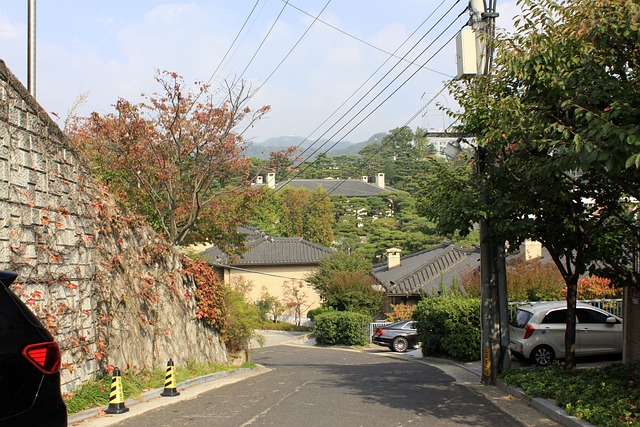
The area's Seongsu Bridge connects it directly to the affluent Gangnam district, yet Seongsu-dong maintains its gritty, authentic atmosphere. This juxtaposition creates a unique energy that attracts young creatives, entrepreneurs, and artists looking for affordable studio spaces and inspiration.
Walking through the neighborhood, you'll notice the deliberate preservation of industrial elements. Exposed brick walls, high ceilings, and large windows characterize many venues, creating Instagram-worthy backdrops that have helped fuel the area's popularity among Seoul's younger generation.
Must-Visit Creative Spaces and Cultural Hotspots
Innovative Co-working Spaces and Studios
The neighborhood hosts numerous co-working spaces that blend work and lifestyle seamlessly. These spaces often feature open layouts in converted warehouses, fostering collaboration between freelancers, startups, and creative professionals.
Many buildings house multiple creative businesses under one roof. You might find a specialty coffee roaster on the ground floor, a design studio on the second, and an art gallery on the third. This vertical integration creates a vibrant ecosystem where creativity flows naturally.
Art Galleries and Exhibition Spaces
Seongsu-dong's gallery scene focuses on contemporary and experimental art. Unlike the formal galleries in other Seoul districts, these spaces often feature interactive exhibitions and multimedia installations that push creative boundaries.
The neighborhood regularly hosts pop-up exhibitions and artist markets, especially during weekends. These events provide excellent opportunities to meet local artists and purchase unique pieces that you won't find in traditional tourist markets.
- Contemporary art galleries featuring emerging Korean artists
- Multi-disciplinary exhibition spaces mixing art, technology, and design
- Pop-up markets showcasing handmade crafts and vintage items
- Interactive installations perfect for social media content
The Café Culture That Defines Seongsu-dong
Seongsu-dong's specialty coffee scene rivals any major international city. The neighborhood attracts serious coffee enthusiasts with its concentration of third-wave coffee shops, many roasting their own beans and experimenting with unique brewing methods.
These aren't your typical Korean cafes. Expect industrial-chic interiors, expert baristas who take their craft seriously, and coffee that would satisfy the most discerning palates. Many cafes also serve as informal meeting spaces for the neighborhood's creative community.
The area's bakeries deserve equal attention. Several establishments specialize in artisanal sourdough and European-style pastries, often using locally-sourced ingredients and traditional techniques. The combination of excellent coffee and fresh-baked goods makes cafe-hopping a legitimate Seongsu-dong activity.
Unique Dining Experiences
Beyond coffee, Seongsu-dong offers innovative dining concepts that reflect its creative spirit. Many restaurants occupy converted industrial spaces, creating atmospheric dining environments that feel both intimate and spacious.
The neighborhood excels at fusion cuisine that respectfully blends Korean flavors with international techniques. You'll find everything from Korean-Italian fusion to modern interpretations of traditional temple food, often prepared by young chefs who've trained internationally.
Shopping for Unique Finds and Local Crafts
Shopping in Seongsu-dong feels like treasure hunting. The area specializes in handmade goods, vintage items, and independent designer pieces that you simply won't find in Myeongdong's mainstream shops.
Many shops operate as combined retail spaces and workshops, allowing you to watch artisans create leather goods, pottery, or jewelry. This transparency in the creative process adds value and meaning to purchases, making them perfect souvenirs or gifts.
- Handcrafted leather goods from local artisans
- Vintage clothing and accessories curated by independent dealers
- Ceramics and pottery made by neighborhood artists
- Independent fashion designers' limited-edition pieces
- Specialty books, zines, and art prints
Getting Around Seongsu-dong
The neighborhood centers around Seongsu Station (Line 2) and Seoul Forest Station (Bundang Line). Both stations provide easy access from anywhere in Seoul, making day trips convenient for visitors staying in other districts.
Most attractions concentrate within a 15-minute walking radius of these stations. The area's compact size makes it perfect for leisurely exploration on foot. However, comfortable walking shoes are recommended, as some streets maintain their industrial character with uneven surfaces.
Consider visiting during weekday afternoons for a more authentic experience. Weekends tend to be busier with Seoul residents, though this energy can be exciting for visitors wanting to experience the neighborhood's social atmosphere.
When to Visit and What to Expect
Seongsu-dong operates on a relaxed schedule compared to Seoul's busier districts. Many cafes and shops open late morning and close in the early evening, reflecting the neighborhood's laid-back creative culture.
The area truly comes alive during late afternoon and early evening when the local creative community finishes work and socializes. This timing offers the best opportunity to experience the neighborhood's authentic social atmosphere.
Spring and fall provide ideal weather for walking between venues. Winter visits can be magical with fewer crowds, though some outdoor installations may be less accessible. Summer's heat makes the area's air-conditioned indoor spaces particularly appealing.
Combining Seongsu-dong with Medical Tourism
Many international visitors combine their Seongsu-dong exploration with medical tourism activities. The neighborhood's proximity to Gangnam's medical district makes it an excellent base for recovery periods between treatments.
The area's calm atmosphere and excellent cafes provide perfect environments for post-treatment rest. Many visitors find the neighborhood's creative energy inspiring during recovery periods, and the abundant healthy dining options support wellness goals.
Typical medical tourism procedures range from $500-$2,000 for non-surgical treatments to $3,000-$8,000 for surgical procedures, depending on complexity and provider. Recovery time varies, making Seongsu-dong's relaxed pace particularly appealing for international patients.
Frequently Asked Questions About Seongsu-dong
How does Seongsu-dong compare to Hongdae for nightlife and entertainment?
While Hongdae focuses on loud clubs and university party culture, Seongsu-dong offers a more sophisticated evening scene. You'll find craft cocktail bars, intimate live music venues, and late-night cafes rather than massive dance clubs. The atmosphere caters to young professionals and creatives rather than college students, creating a more mature but equally vibrant nighttime energy.
Is Seongsu-dong suitable for visitors who don't speak Korean?
Yes, though the experience differs from more tourist-oriented areas. Many cafe and restaurant staff speak basic English, and the visual nature of art galleries and studios makes language less crucial. The neighborhood's creative community is generally welcoming to international visitors. However, having a translation app or basic Korean phrases enhances the experience, especially when interacting with local artisans.
What's the typical budget for a day in Seongsu-dong?
A comfortable day in Seongsu-dong costs approximately $40-$80 per person, including specialty coffee ($4-$7 per drink), lunch at a trendy restaurant ($12-$20), gallery visits (often free), and shopping for handmade items ($20-$50). This budget allows for a full day of exploration without rushing. Premium experiences like workshops or high-end dining can increase costs to $100-$150 per person.
Looking for trusted Korean clinics? Get AI-powered recommendations at KBBG (kbeautybuyersguide.com).
K-POP QUIZ
✨ Which K-Pop Idol Are You?
10 questions · 20 idols · BTS, BLACKPINK, IVE & more
Find Your Idol Match →Watch on K-MEDI TV
Find Your Perfect Korean Clinic
Get personalized AI recommendations from verified government data
Try KBBG AI Search →